Performance anxiety is one of the most common drivers behind PE, and it is also one of the most frustrating, because the harder you try to control it, the faster it can happen.
This is not because you are weak. It is because arousal and ejaculation are wired to your nervous system. When your body senses threat, even emotional threat, it shifts into speed mode.
If you want to start with the clinical overview, PE support and assessment is here.
What performance anxiety can look like
Some men feel it as racing thoughts. Others feel it as body tension, shallow breathing, and a sense of urgency. A common sign is that you are monitoring yourself, checking whether you are getting close, and trying to force control.
- Worrying about timing before anything even starts
- Feeling pressure to satisfy a partner, even when they are not putting pressure on you
- Rushing foreplay or skipping it entirely
- Holding your breath or tensing your core
- A sense that if you do not finish quickly, something will go wrong
The nervous system explanation, in plain English
When you are anxious, the body leans toward fight or flight. Heart rate rises, breathing shortens, and the body becomes more reactive. That same reactivity can make arousal escalate faster.
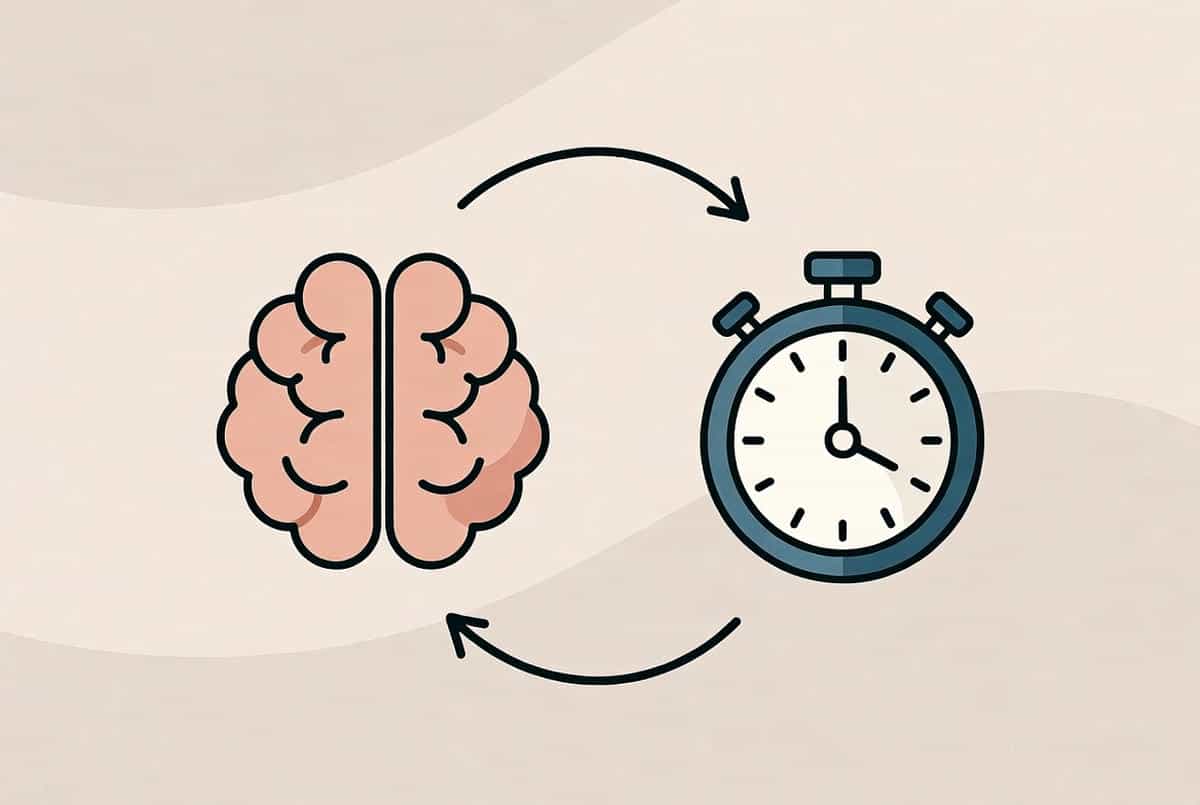
It becomes a loop. You worry it will happen quickly. That worry raises arousal and tension. Arousal escalates faster. It happens quickly. Then the brain learns, see, I knew it.
How to break the loop
Breaking it usually requires two things, lowering overall pressure, and training the body to notice early arousal cues before you hit the edge.
1) Change the goal
If the goal is to last a certain time, your nervous system stays on alert. If the goal is connection, pleasure, and play, pressure drops. This is not a motivational poster, it is a practical nervous system shift.
2) Breathe like you mean it
Breathing that lengthens the exhale is one of the fastest ways to tell the body you are safe. Try inhaling for four, exhaling for six. It is simple, and it helps.
3) Practise noticing early cues
Most men only notice they are close when it is too late. Early cues might be changes in breathing, pelvic tension, or a sudden urge to thrust faster. The moment you notice, ease off, slow down, or pause. You are training the dial.
When to talk with a clinician
If anxiety is a major driver, a clinician may discuss behavioural strategies, relationship communication, and whether any other factors are contributing, such as erectile difficulties, stress, sleep, or mood.
To understand how HMC approaches the process, start here.
A quick note on safety
This article is general information, it is not a diagnosis or personal medical advice. If you have persistent symptoms, pain, sudden changes, or you are worried, speak with a qualified clinician. If you have chest pain, severe shortness of breath, or feel acutely unwell, seek urgent care.